
Contents
Surgical site infection is one of the most significant and preventable complications in veterinary post-operative care. When infection develops at a wound closure site, it prolongs recovery, increases treatment costs, causes patient discomfort, and in serious cases can compromise the entire surgical outcome. Every component of the wound closure system, including the choice of closure device, contributes to infection risk in ways that are not always fully appreciated. The disposable skin stapler is one piece of veterinary surgery equipment whose role in infection prevention deserves careful examination.
This article explores the specific mechanisms by which a disposable skin stapler reduces infection risk compared to other closure methods, examines the design features that make single-use sterile staplers particularly effective from an infection control standpoint, and outlines the clinical contexts in veterinary surgery where these advantages are most meaningful for animal patients.
Surgical site infections develop when bacteria colonize the wound closure site in sufficient numbers to overcome the local immune defenses. The bacteria responsible may be introduced intraoperatively from the patient’s own skin flora, from the surgical environment, from contaminated instruments or materials, or post-operatively through the wound or along suture material from the external environment.
The wound closure method chosen influences infection risk through several pathways. The material or device used may itself harbor bacteria or provide pathways for bacterial migration. The technique required to apply the closure may introduce additional contamination opportunities. The resulting closure may leave gaps or accessible pathways through which environmental bacteria can enter the deeper wound layers post-operatively. And the presence of foreign material at the wound site may provoke a tissue reaction that impairs the local immune response needed to clear any bacteria present.
Understanding how each of these pathways operates allows veterinary professionals to make closure choices that minimize infection risk for each specific patient and wound type. For broader context on wound closure decision-making, understanding veterinary surgical wound closure techniques for better recovery provides a comprehensive reference.
All wound closure materials, whether suture, staple, or adhesive, introduce foreign material into or onto the wound. The body’s immune response to this foreign material creates a local inflammatory environment that, while necessary for healing, also temporarily reduces the immune capacity available for bacterial clearance. The more foreign material present and the more reactive it is, the greater this immunological compromise at the wound site.
Minimizing the foreign material burden at the closure site is therefore an important infection control principle. This is one factor that informs the preference for fine-gauge sutures over unnecessarily heavy ones, and it is also relevant to the comparison between different closure devices.
The most fundamental infection control advantage of a disposable skin stapler is its single-use design. Each device is individually manufactured, packaged, and sterilized before leaving the factory. When the sealed packaging is opened immediately before use, the practitioner has confidence that the stapler and the staples it contains are genuinely sterile at the point of application.
This is in direct contrast to reusable surgical instruments, which must pass through decontamination, cleaning, inspection, and sterilization cycles between patients. Each step in this reprocessing chain introduces opportunities for error, incomplete cleaning of complex device geometry, sterilization cycle failure, or post-sterilization recontamination during storage and handling. The accumulation of these risks across multiple reprocessing cycles means that even a carefully managed reusable instrument program carries a residual risk that single-use disposable devices eliminate entirely.
For animal skin stapler applications where the device contacts open wound tissue directly, the certainty of sterility provided by a single-use disposable design is a clinically meaningful infection control advantage. The sterility standards that reliable veterinary surgery equipment suppliers should meet are discussed in how to sterilize suture material and maintain sterility until the time of use.
Reusable skin staplers, where they exist, require reprocessing between patients that involves disassembly, cleaning of the staple-forming mechanism, and sterilization. The mechanical complexity of the staple-forming mechanism creates small internal spaces and channels that are difficult to clean completely. Residual biological material from a previous patient, even in microscopic quantities, can harbor bacteria that survive subsequent sterilization if they are not fully removed during cleaning.
The disposable skin stapler eliminates this risk entirely. Because each device is used once and then discarded, there is no mechanism by which biological material from one patient can be transferred to another through the device. This cross-contamination elimination is a straightforward but genuinely important infection control benefit in any veterinary practice managing multiple surgical patients.
The staples deployed by a surgical skin stapler are manufactured from surgical-grade stainless steel or titanium, both of which are highly biocompatible materials with very low tissue reactivity profiles. Unlike some suture materials that provoke meaningful inflammatory responses at each suture site, surgical staples elicit minimal tissue reaction from the surrounding skin. This low reactivity means the local immune compromise associated with foreign material presence is less pronounced with staples than with more reactive closure materials.
Reduced local inflammation at the closure site means the immune cells present can focus more effectively on bacterial clearance rather than on managing an exaggerated foreign body response. This contributes to a more efficient local defense against bacterial colonization during the early post-operative period when infection risk is highest.
The comparative tissue reactivity of different closure methods is discussed in advantages of absorbable and non absorbable sutures in wound healing.
Conventional sutures placed in an interrupted or continuous pattern pass through the full thickness of the skin and subcutaneous tissue, creating a pathway that extends from the external environment into the deeper tissue layers at each suture site. Bacteria present on the skin surface can potentially migrate along the suture material into the deeper wound, particularly with braided suture constructions that support bacterial wicking along their filament interstices.
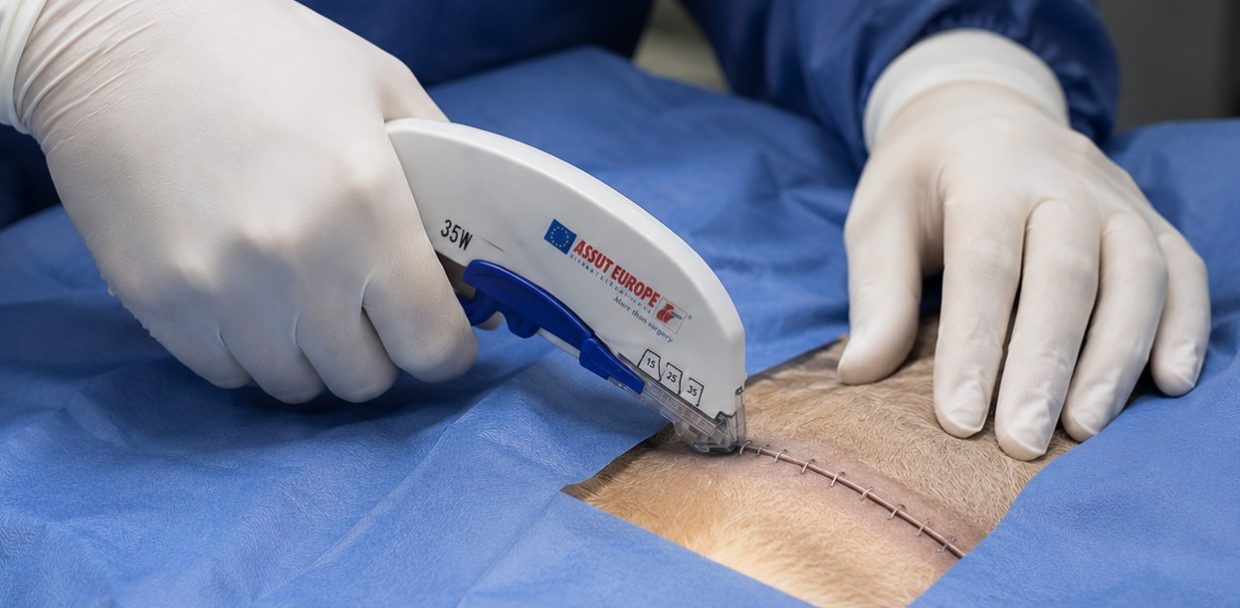
A surgical skin stapler applies staples that engage the skin surface without creating a through-and-through tissue pathway in the same way that suture placement does. The staple legs penetrate the skin to a controlled depth on either side of the wound, but the staple bridge spans the wound externally rather than passing through the tissue layers that connect to the deeper surgical site. This geometry limits the pathway available for surface bacteria to migrate toward the deeper wound environment.
Each staple is placed in a single trigger action, with no needle driving, suture manipulation, or knot tying required. A closure that might take ten minutes or more with hand-placed sutures can typically be completed in under two minutes with a disposable skin stapler. This dramatic reduction in closure time has a direct infection control implication: the wound is open to the environment for a significantly shorter period.
Every additional minute that a wound is open during closure represents additional exposure to environmental contamination. In a busy veterinary surgical environment where airborne particles, staff movement, and adjacent equipment are all present, minimizing the duration of wound exposure during closure is a practical and meaningful infection control measure.
Rapid closure also reduces total anaesthetic time, which benefits patient physiology and reduces the metabolic stress that can impair immune function in the immediate post-operative period. The speed advantages of skin staplers in veterinary practice are discussed in benefits of using sterile disposable skin staplers in veterinary practice.
A correctly applied animal skin stapler produces consistent wound edge eversion with each staple, meaning the skin edges turn slightly outward rather than inverting. This eversion is associated with several healing quality benefits that indirectly support infection resistance.
Everted wound edges ensure that the dermal layers on either side of the incision are in direct contact, which supports efficient cellular bridging across the wound. When wound edges invert or are unevenly approximated, small gaps between the dermis layers can persist beneath an apparently closed surface, creating potential spaces that fill with fluid and provide an environment favorable for bacterial proliferation.
The consistent eversion produced by a disposable skin stapler reduces the formation of these potential spaces, supporting more complete and uniform wound apposition that is less hospitable to bacterial establishment. For comparison of eversion outcomes between closure methods, how do skin staples work and why vets choose them over traditional sutures provides a detailed mechanical explanation.
Closure Method |
Bacterial Wicking Risk |
Cross-Contamination Risk |
Wound Exposure Time |
Foreign Material Reactivity |
| Disposable skin stapler | None | None (single use) | Very short | Very low (metal) |
| Monofilament suture | Very low | Low (if correctly sterilized) | Moderate | Low (synthetic) |
| Braided suture | Moderate to high | Low (if correctly sterilized) | Moderate | Low to moderate |
| Tissue adhesive | None | None (single use) | Very short | Very low |
| Reusable stapler | None | Moderate (reprocessing risk) | Very short | Very low (metal) |
This comparison confirms that the disposable skin stapler performs favorably across all infection-relevant parameters, combining the low bacterial wicking risk of monofilament materials with the cross-contamination elimination of single-use design and the rapid application that minimizes wound exposure time.
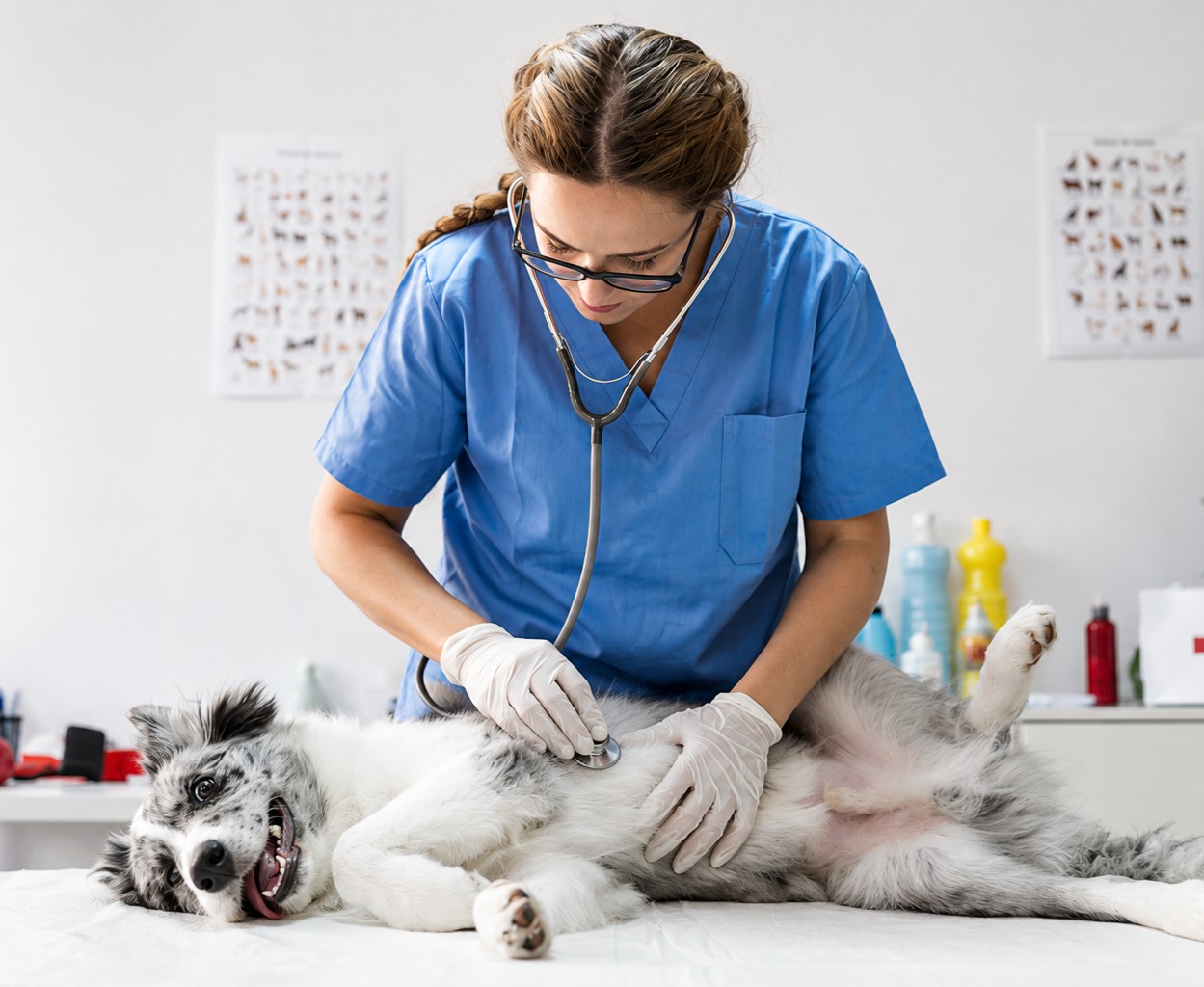
In animals receiving immunosuppressive therapy, those with concurrent systemic disease, or those in poor nutritional condition, the immune capacity available for bacterial clearance at the wound site is reduced. In these patients, every infection control advantage offered by the closure method has amplified clinical significance. The single-use sterility, low tissue reactivity, and rapid application of a disposable skin stapler make it a particularly appropriate choice in immunocompromised veterinary patients.
Emergency presentations involving traumatic wounds carry an elevated baseline bacterial load from environmental contamination of the wound before and during treatment. In these cases, the speed of closure provided by a surgical skin stapler is directly relevant to infection risk because it minimizes additional contamination opportunity during the closure process itself.
For deeper tissue layers in traumatic wounds, monofilament absorbable sutures are preferred to minimize bacterial wicking in potentially contaminated tissue planes. The selection of appropriate suture types for contaminated internal wounds is discussed in common types of suture for laceration used in veterinary surgery.
In practices performing high volumes of elective procedures, the cumulative infection control benefit of consistent single-use sterility across all cases is significant. Each procedure represents a fresh device with guaranteed sterility rather than a reprocessed instrument whose sterility depends on the reliability of the practice’s reprocessing protocols. Over many procedures and many patients, this consistency supports lower baseline surgical site infection rates across the practice’s surgical caseload.
Orthopedic procedures often involve long skin incisions over implants or repaired bone structures. The consequences of surgical site infection in these cases are particularly serious because infection in the presence of implants is very difficult to resolve without implant removal. Rapid closure of long orthopedic incisions with a disposable skin stapler minimizes wound exposure time and provides consistent wound edge apposition, both of which support infection resistance in these high-stakes cases.
Following abdominal procedures involving the gastrointestinal tract, the risk of abdominal skin contamination from the gastrointestinal environment is a recognized concern. Closing the skin rapidly with a surgical skin stapler after abdominal closure reduces the time during which the skin wound is exposed and minimizes the opportunity for any residual environmental bacteria to establish at the skin closure site.
Every disposable skin stapler should be visually inspected before opening. The packaging should be examined for tears, punctures, moisture staining, compromised seals, or any evidence of physical damage. Any device with suspect packaging should be discarded. The sterility of the device depends entirely on the integrity of the sterile barrier, and a compromised package means the sterility guarantee no longer applies.
The outer packaging should be peeled back by an unscrubbed team member, allowing the stapler to be presented to the scrubbed surgeon without contact between the outer packaging and the sterile field. Consistent aseptic opening technique ensures that the sterility achieved by the manufacturer is maintained through to the point of application.
The stapler should be applied after all deeper tissue layers have been closed appropriately with suitable absorbable sutures. Closing the skin promptly after internal layer closure minimizes total wound exposure time. Pre-loading or early opening of the stapler before the skin closure phase is ready to begin should be avoided, as unnecessary exposure of the device on the sterile field increases contamination risk without clinical benefit.
For guidance on the internal layer suture choices that precede skin stapler application, how to choose the right deep tissue suture for vet surgery provides a comprehensive reference.
Correct post-operative staple management supports the infection control benefits achieved during closure. The stapled wound should be kept clean and dry during the healing period. Owners should be instructed to prevent licking or chewing at the staple sites and to monitor for signs of wound infection including progressive redness, swelling, discharge, or behavioral changes suggesting wound pain.
Staples should be removed at the appropriate post-operative interval using a dedicated staple remover instrument. Correct removal technique prevents wound disruption and patient discomfort. Detailed guidance on staple removal in veterinary patients is provided in practices to remove surgical staples from animal wounds.
The infection control benefits of a disposable skin stapler are maximized when the device is used as part of a comprehensive infection control strategy rather than as an isolated measure. Maintaining strict aseptic technique throughout the procedure, selecting appropriate suture materials for each internal tissue layer, ensuring thorough hemostasis before closure, and providing clear post-operative care instructions to owners all contribute to the infection risk reduction that the skin stapler supports at the surface level.
When the skin stapler is combined with appropriate internal closure using monofilament absorbable sutures in infection-sensitive tissue planes, the infection control benefits of each component reinforce each other across the full depth of the wound. The quality and consistency of all veterinary surgery equipment used in these procedures, including sutures, staplers, and associated instruments, directly supports the overall standard of patient care, as discussed in the importance of medical supplies in building trust.
The disposable skin stapler earns its place as a preferred skin closure tool in veterinary surgery not only through its speed and convenience but through a clearly defined set of infection control advantages. Single-use sterility eliminates cross-contamination risk. Biocompatible staple material minimizes tissue reactivity. Rapid application shortens wound exposure time. Consistent wound edge eversion reduces the potential spaces where bacteria can establish. Together these properties make the surgical skin stapler one of the most infection-conscious skin closure options available in veterinary surgery equipment.
Applying these advantages systematically in the clinical contexts where infection risk is most significant gives veterinary professionals a practical and evidence-based tool for reducing one of the most consequential complications in post-operative animal care.
Strouden supplies high-quality disposable skin staplers and a comprehensive range of veterinary surgery equipment to support infection-conscious, reliable wound closure across all animal surgical applications. To explore our full product range or discuss the right closure solutions for your practice, please contact us today.
A: A disposable skin stapler reduces infection risk through single-use sterility that eliminates cross-contamination, very low tissue reactivity from biocompatible metal staples, rapid application that minimizes wound exposure time, and consistent wound edge eversion that reduces potential spaces where bacteria can establish post-operatively.
A: Single-use design guarantees sterility at the point of application without dependence on reprocessing protocols. Reusable instruments must pass through cleaning and sterilization cycles that carry residual risk of incomplete decontamination. A disposable device eliminates this risk entirely for every patient and every procedure.
A: Surgical skin staplers are particularly valuable in immunocompromised patients, emergency trauma cases with elevated bacterial load, orthopedic closures over implants, post-gastrointestinal surgery skin closure, and high-volume elective settings where consistent single-use sterility across all cases supports lower baseline infection rates.
A: Yes. Surgical staples made from stainless steel or titanium have very low tissue reactivity, which means they provoke minimal inflammation at the closure site. Reduced inflammation preserves local immune capacity for bacterial clearance, contributing to lower infection risk compared to more reactive closure materials.
A: The packaging should be inspected for damage before opening. An unscrubbed team member should peel back the outer packaging to present the device to the sterile field without contact between outer packaging and sterile surfaces. The stapler should be applied promptly after internal layer closure to minimize wound exposure time.